



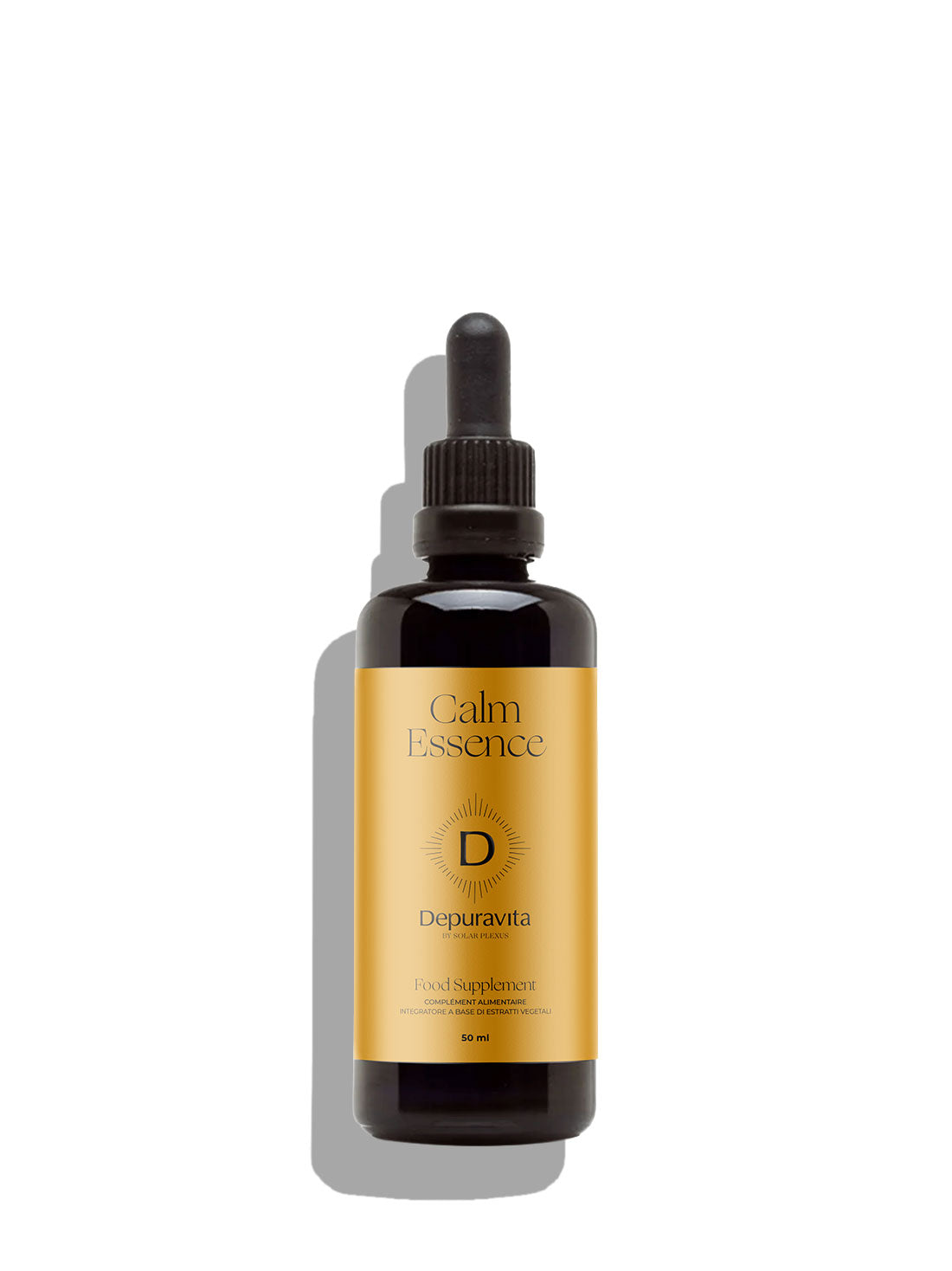
Calm Essence | Ayurvedic & TCM Adaptogenic Formula
Plant Based Tincture 50ml
Couldn't load pickup availability
Description
The Nervous System & Shen Harmonizer
The Benefits
-
East-West Botanical Synergy: Bridges millennia of wisdom from Traditional Chinese Medicine and Ayurveda to restore deep internal balance.
-
Shen & Vata Stabilization: Nourishes the Heart's spirit (Shen) and pacifies Vata dosha to quiet racing thoughts and restore mental clarity.
-
Stress Resilience Without Fog: Adapts to modern physiological pressure using premium Ashwagandha to calm the nervous system without inducing drowsiness.
-
Qi & Energy Flow: Promotes the smooth circulation of vital energy, unblocking stagnation in the liver and gallbladder channels.
Description
Calm Essence is a sophisticated botanical formula designed to help restore balance without inducing drowsiness or mental fog. Crafted at the crossroads of two of humanity's oldest well-being traditions—Traditional Chinese Medicine and Ayurveda—this tincture honors time-tested herbal knowledge passed down through generations. These ancient systems, developed independently over millennia, share a profound understanding of how inner harmony depends upon the smooth flow of energy throughout the body.
Rooted in tradition, the formulation draws heavily upon the wisdom of the Wood Element in Traditional Chinese Medicine—governed by the Liver and Gallbladder—to encourage flexibility, ease, and the smooth circulation of Qi when stagnation occurs. It also embraces the Fire Element, home of the Heart and the Shen (spirit), bringing clarity and equilibrium to consciousness and emotional warmth. Complementing this from the Ayurvedic perspective, the formula incorporates powerful adaptogens like Ashwagandha, traditionally used to pacify Vata dosha, supporting Sattva and the quality of calm mental clarity.
Stripped of all synthetic binders, flowing agents, and artificial additives, every single drop delivers pure, 100% active botanical intelligence that your nervous system recognizes and absorbs instantly to anchor your daily peace.
Product Standards
-
100% Vegan and plant-based formulation
-
Clinical-grade purity with zero synthetic fillers or alcohol binders
-
Made in Italy with sustainably sourced ancient herbal extracts
-
Optimized for rapid nervous system absorption and stress stabilization
Who is it for?
How to use
Ingredients

Ingredients that Matter

Ashwagandha (Withania somnifera)

Willow (Salix alba)

Fumitory (Fumaria officinalis)

Sweet Clover (Melilotus officinalis)
Real Life Rituals

Magic Potion | Cacao, Marine Collagen & Ayurvedic Blend
€50.00

Beauty Chocolate | Grancrudo Cacao & Ceramosides™
€50.00

Hello Wrinkles | Marine Collagen, CoQ10 & Electrolytes
€55.00

Let Go | 8-Herb Purification & Renewal Tincture
€50.00
Get ready to radiate youthful magic
Magic Potion combines tradition and modernity in a thoughtfully crafted elixir. Featuring a harmonious blend of 7 adaptogenic mushrooms, Ayurvedic triphala, marine collagen peptides, and organic cacao, it offers a rich and complex flavor profile.
The 7-mushroom blend—including Reishi, Chaga, Lion’s Mane, and others—adds depth to the formula, enhancing its versatility as part of your daily routine. Complemented by the gentle earthiness of triphala and the indulgence of cacao, Magic Potion invites you to elevate your moments of pause with its nourishing composition.
Magic Potion | Cacao, Marine Collagen & Ayurvedic Blend
€50.00
A daily ritual of pleasure and precision
Beauty Chocolate transforms fine cacao into an act of self-care. Made with Grancrudo® dark chocolate from single-origin Ecuadorian cacao and sweetened with coconut flower sugar, it preserves the richness and vitality of the bean through a patented production process that maintains its natural compounds and aromatic depth.
Each piece is enriched with Ceramosides™, a plant-based complex of purified lipids derived from wheat, known for its connection to skin barrier components such as sphingolipids and digalactosyl diglycerides. The formulation is precisely balanced to deliver the studied daily dose in every bite.
The result is more than chocolate. It is a gesture of beauty that blends indulgence with intention, crafted to be savoured one piece at a time.
Beauty Chocolate | Grancrudo Cacao & Ceramosides™
€50.00
Rehydration – Regeneration – Rejuvenation
Hello Wrinkles 3.0 is designed to complement your skincare routine with a carefully selected blend of natural ingredients.
This soluble formula contains 100% marine-based, sustainably sourced collagen peptides, featuring Type I hydrolyzed collagen and elastin oligopeptides. These peptides reflect the natural composition of human skin, making this blend a unique addition to your daily wellness routine.
Hello Wrinkles | Marine Collagen, CoQ10 & Electrolytes
€55.00
A Journey of Holistic Purification with Let Go
Embrace a sense of renewal with Let Go, a thoughtfully crafted tincture designed to work in harmony with your body’s natural processes.
Made with a blend of herbs like Dandelion, Elderberry, Plantain, Nettle, Artichoke, and Sarsaparilla, this formula is created to complement your wellness routine.
Let Go also includes Cleavers, Rennet, and Nettle to support balance and overall well-being. Inspired by the idea of release, this formulation draws on nature’s essence to support your body's natural rhythm.
Let Go | 8-Herb Purification & Renewal Tincture
€50.00